“A Cruel Wind Blows” is a documentary that delves into a lesser-known aspect of Soviet history, shedding light on the aftermath of nuclear testing in The Polygon, a secluded area located in northeastern Kazakhstan. The film offers a unique perspective on the devastating and ongoing consequences of these tests, as it was shot on location and provides Western viewers with a firsthand look at the harsh realities the local population faces. By exploring this topic, the documentary aims to raise awareness of the long-lasting impact of nuclear testing on the environment and the people in its vicinity.
Between 1949 and 1989, the Soviet Union set off 500 nuclear test bombs in northeastern Kazakhstan. The secret program created one of the most radioactive places on earth. Nearby villages were never evacuated. Generations continue to suffer from deadly disease and mutations in the aftermath of the deadly experiment–one that rivals the destruction and tragedy of Chernobyl.
The documentary “A Cruel Wind Blows” masterfully provides a compelling and detailed account of the Soviet Union’s extensive nuclear testing program, which spanned over four decades from 1949 to 1989. The clandestine detonation of nearly 500 atomic devices during this period led to the creation of one of the most radioactive regions in the world, comparable to the infamous Chernobyl disaster. This extensive nuclear testing left a devastating and long-lasting impact on the environment, transforming once-thriving areas into desolate, radioactive wastelands. The imagery in the documentary vividly captures the stark contrast between The Polygon’s eerie, barren landscapes and the vibrant communities that once existed there, underscoring the magnitude of the ecological damage caused by the testing.
In its poignant portrayal of the human cost of nuclear tests, “A Cruel Wind Blows” achieves a remarkable emotional depth and authenticity through interviews and personal stories. The inhabitants of the affected villages share heart-wrenching and dignified testimonials, offering a raw and unfiltered look into the profound suffering caused by radiation exposure over many years. These personal narratives vividly depict not only the devastating physical ailments but also the deep psychological scars and the disruption of communities, providing a comprehensive view of the multifaceted impacts of nuclear testing on individuals and families.
Visually, the documentary leaves a lasting impression with its stark and impactful cinematography, effectively capturing the desolation and devastation wrought by the nuclear testing. The juxtaposition of the desolate landscapes of The Polygon against the remnants of human habitation serves as a haunting and powerful visual testament to the irreversible damage caused by these catastrophic events. The imagery effectively conveys the abandonment of an entire region, emphasizing the irrevocable toll that extensive nuclear testing takes on the environment and the communities that once called these lands home.
While the film excels in many aspects, it does encounter pacing issues that somewhat detract from its overall impact. The director’s decision to intersperse the narrative with frequent musical interludes aims to enhance emotional resonance but occasionally interrupts the narrative flow. These interruptions occasionally dilute the emotional impact of the deeply personal testimonies, as the music overshadows the subtler sounds of everyday life that could have added an additional layer of authenticity and realism to the film.
“A Cruel Wind Blows” could benefit from a more cohesive structure to facilitate a smoother narrative flow. The documentary’s tendency to jump between different times and subjects without clear transitions may confuse viewers unfamiliar with the complex history of Soviet nuclear testing. A more chronologically structured approach or a clearer thematic organization would allow the audience to navigate the dense and intricate material more seamlessly, enhancing the overall cohesiveness and impact of the film.
Despite these structural issues, the documentary’s significance cannot be overstated. It serves as an invaluable historical record that sheds light on the lesser-known consequences of extensive nuclear testing, prompting viewers to confront the ethical responsibilities of governments in safeguarding their citizens and the environment from the detrimental effects of nuclear proliferation. “A Cruel Wind Blows” challenges its audience to reflect on the long-term repercussions of nuclear testing, raising critical awareness about the enduring impact of such destructive forces on humanity and the planet.
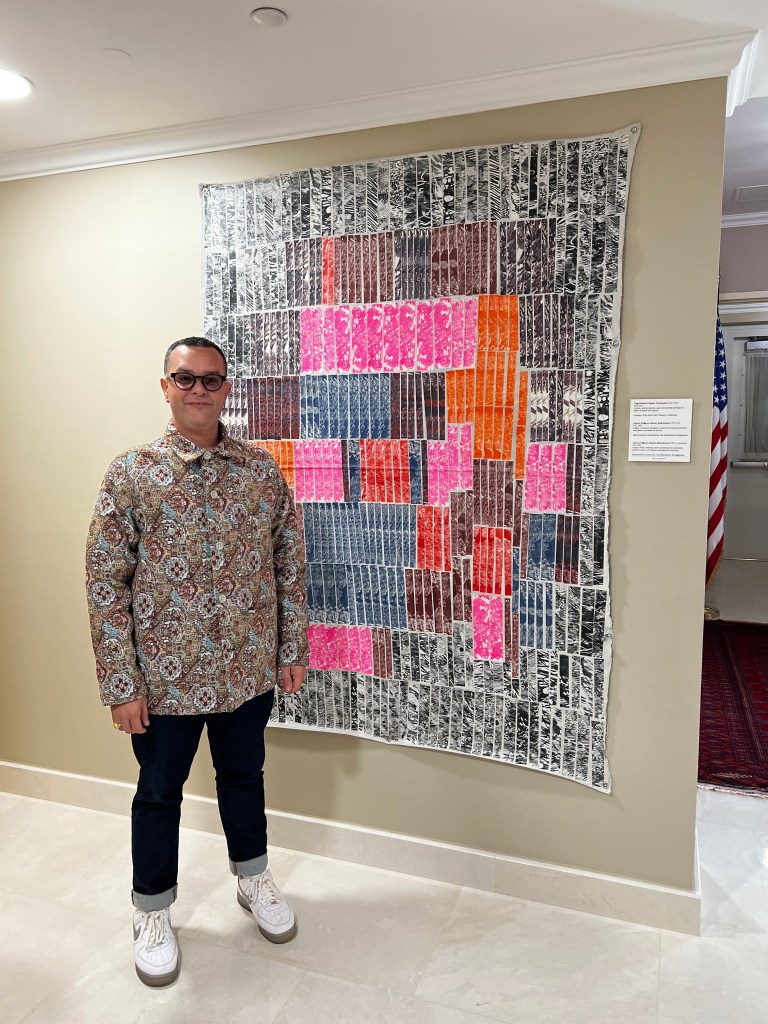
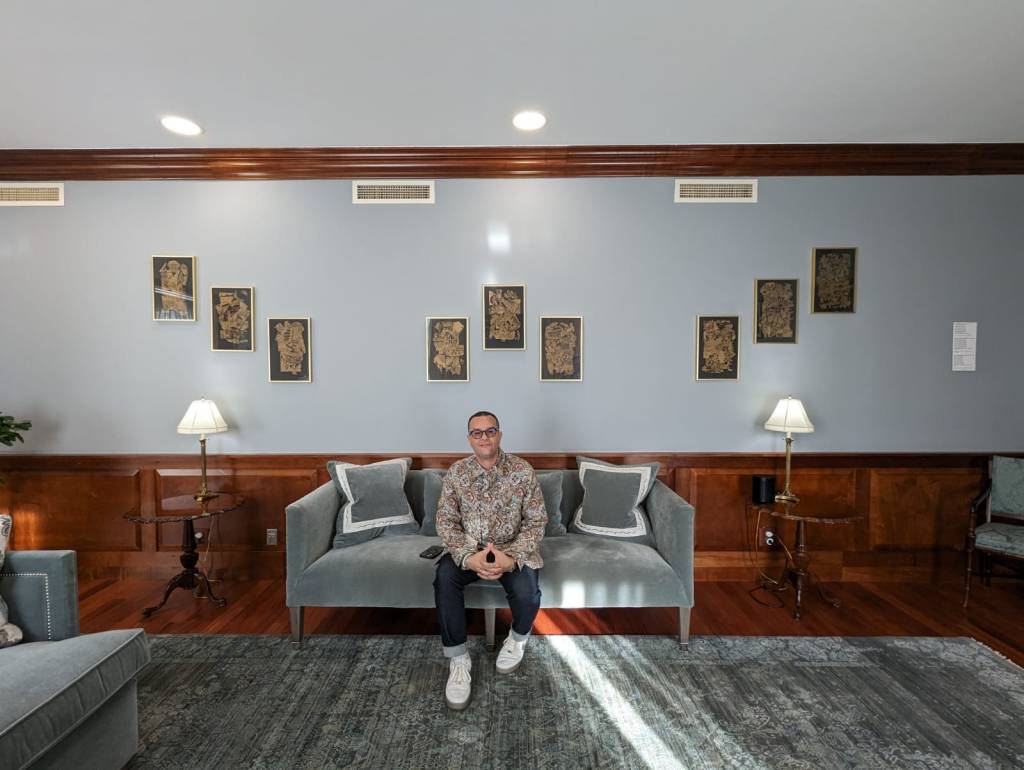
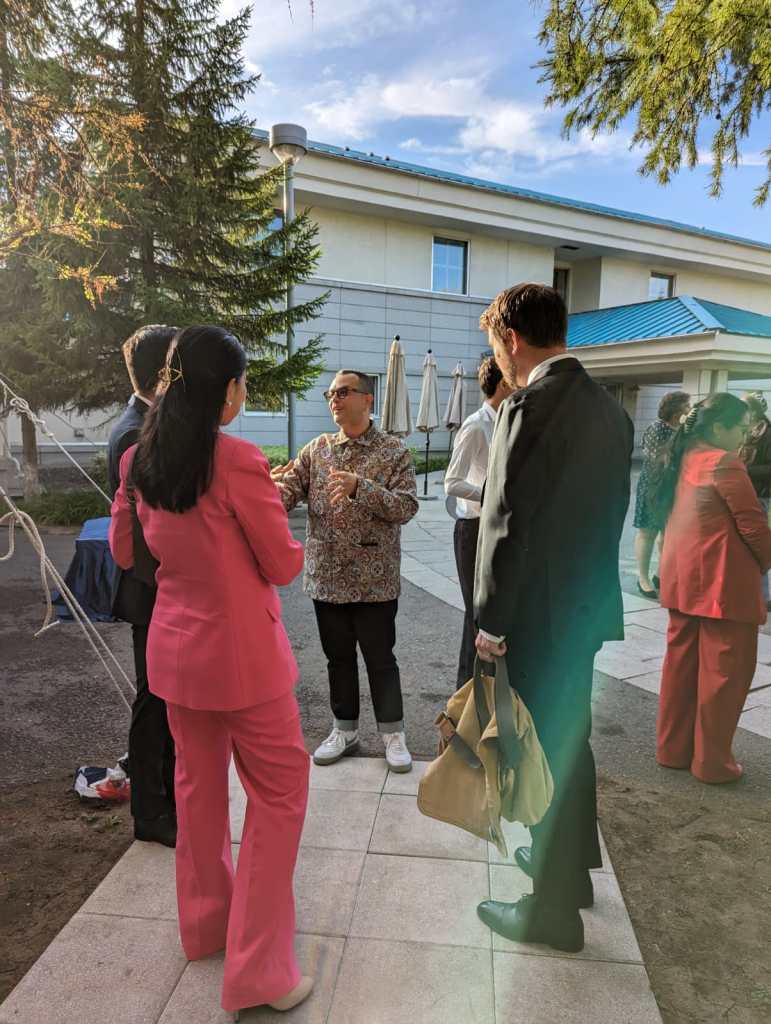
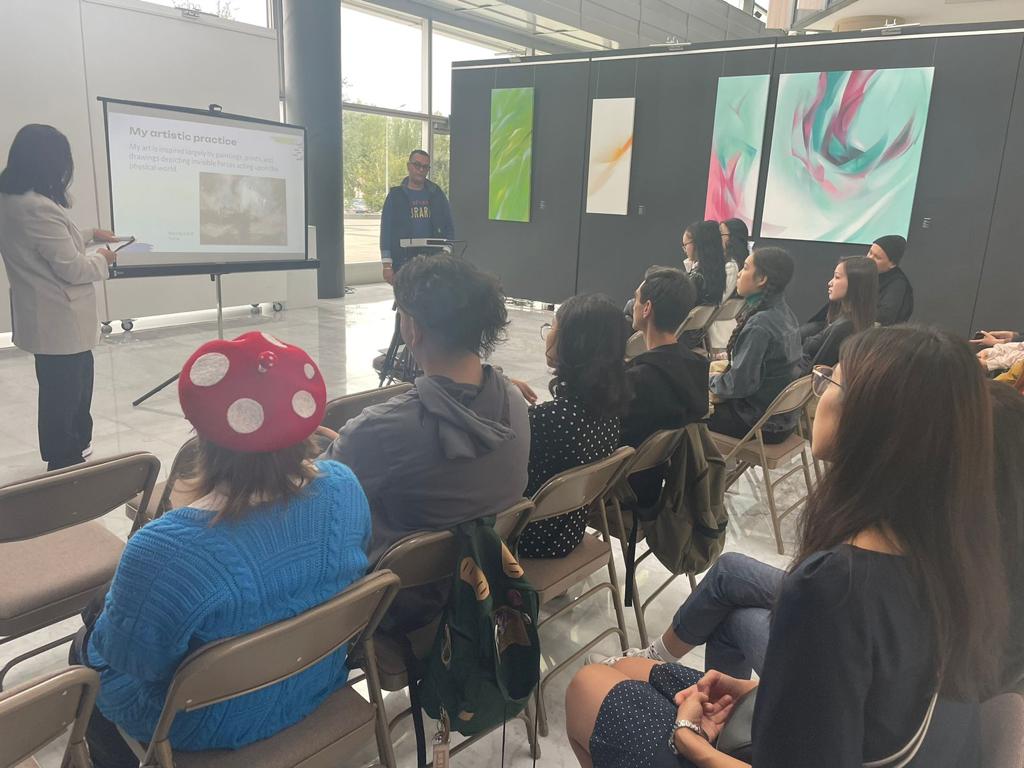
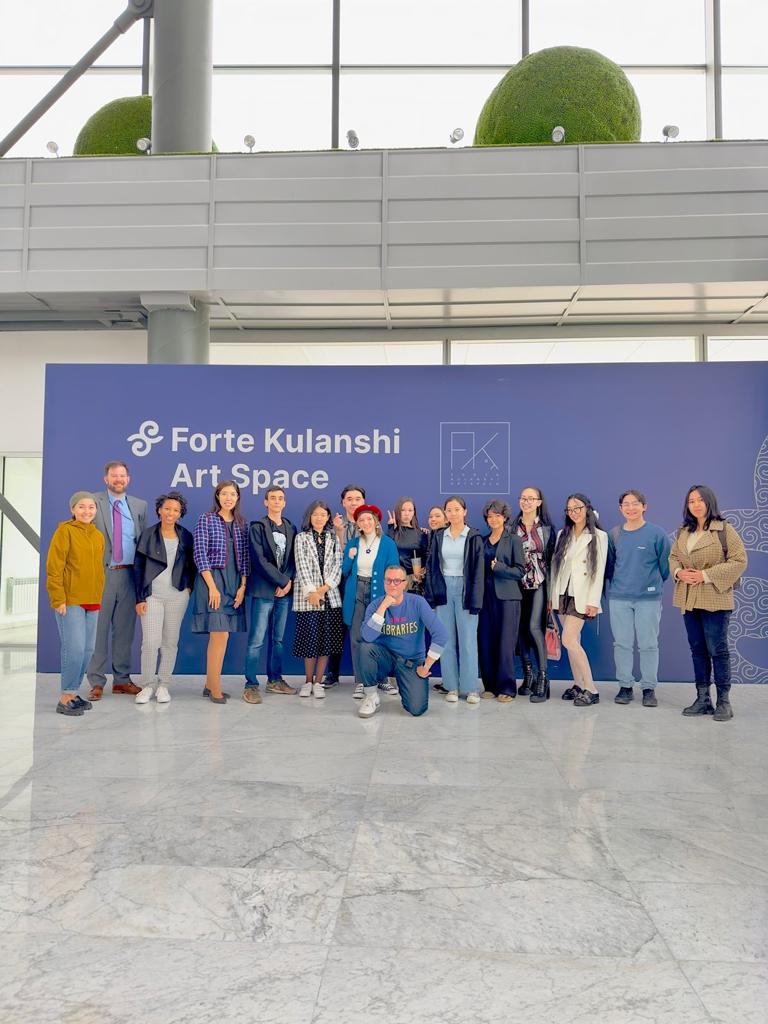
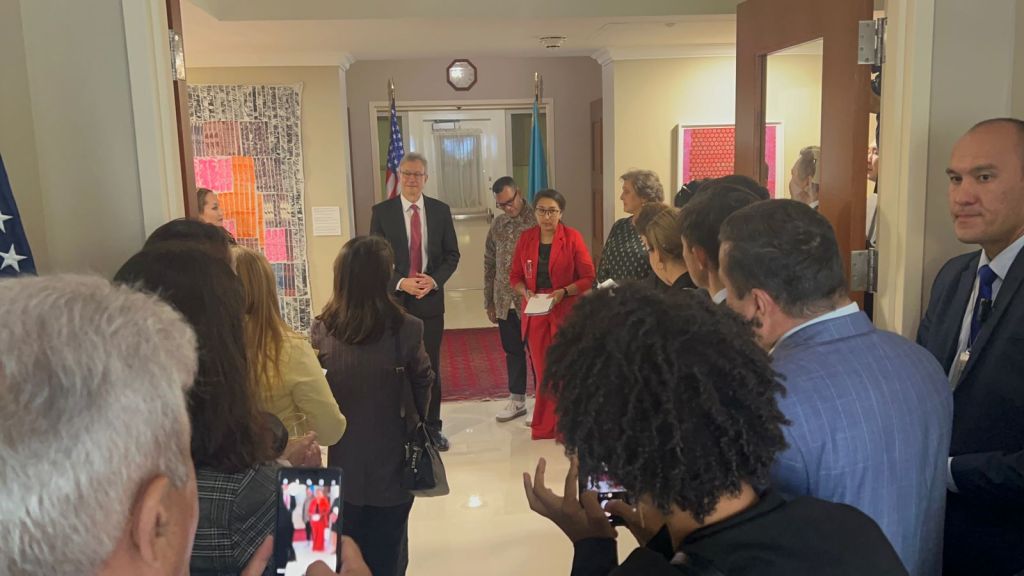
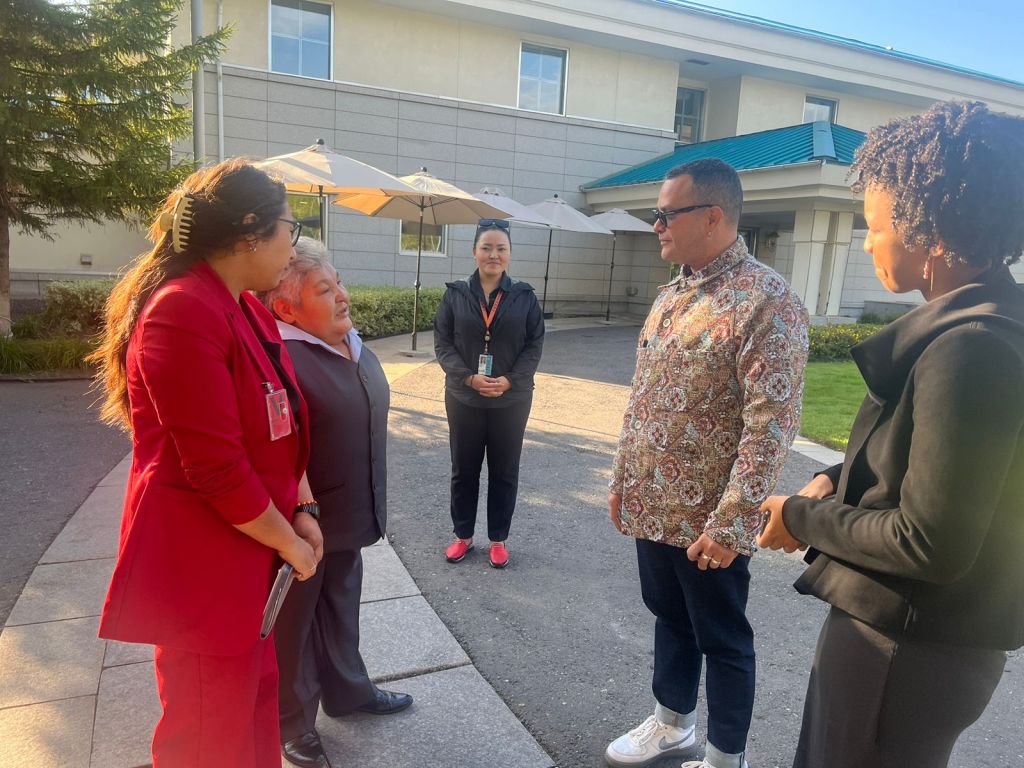
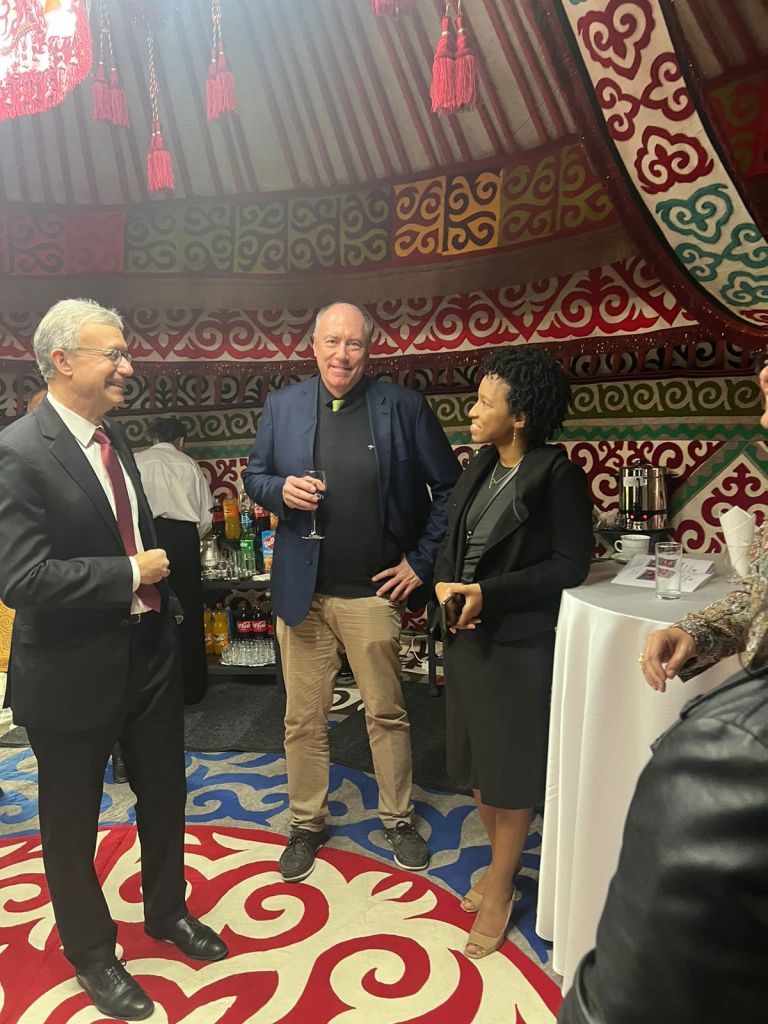
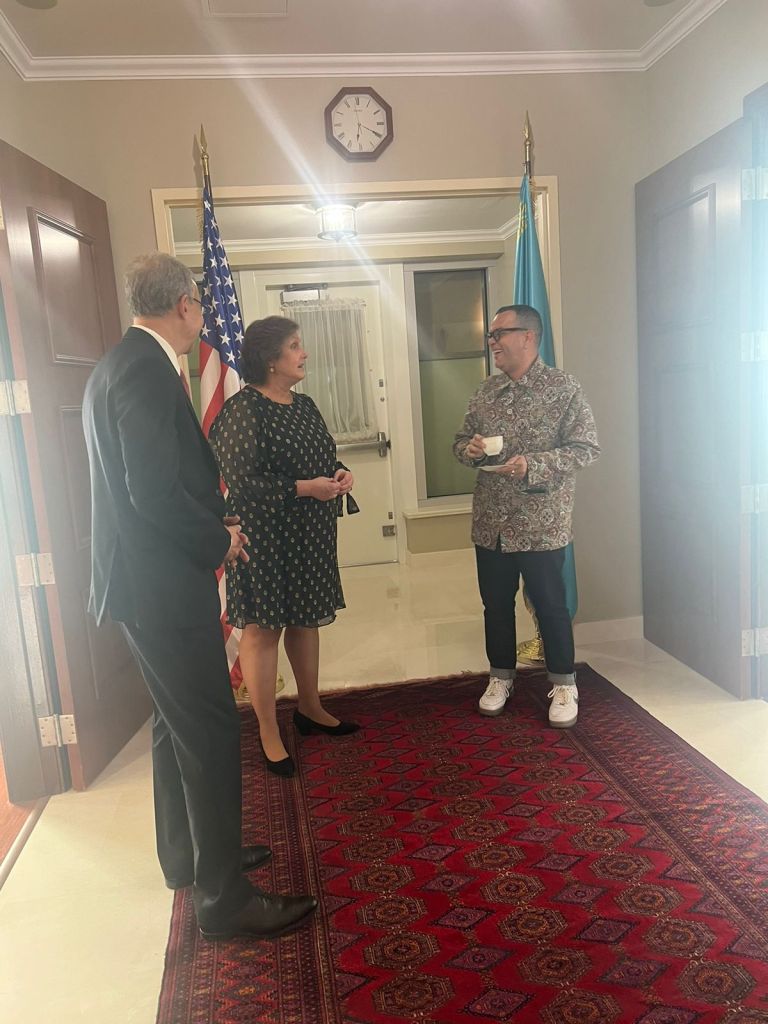
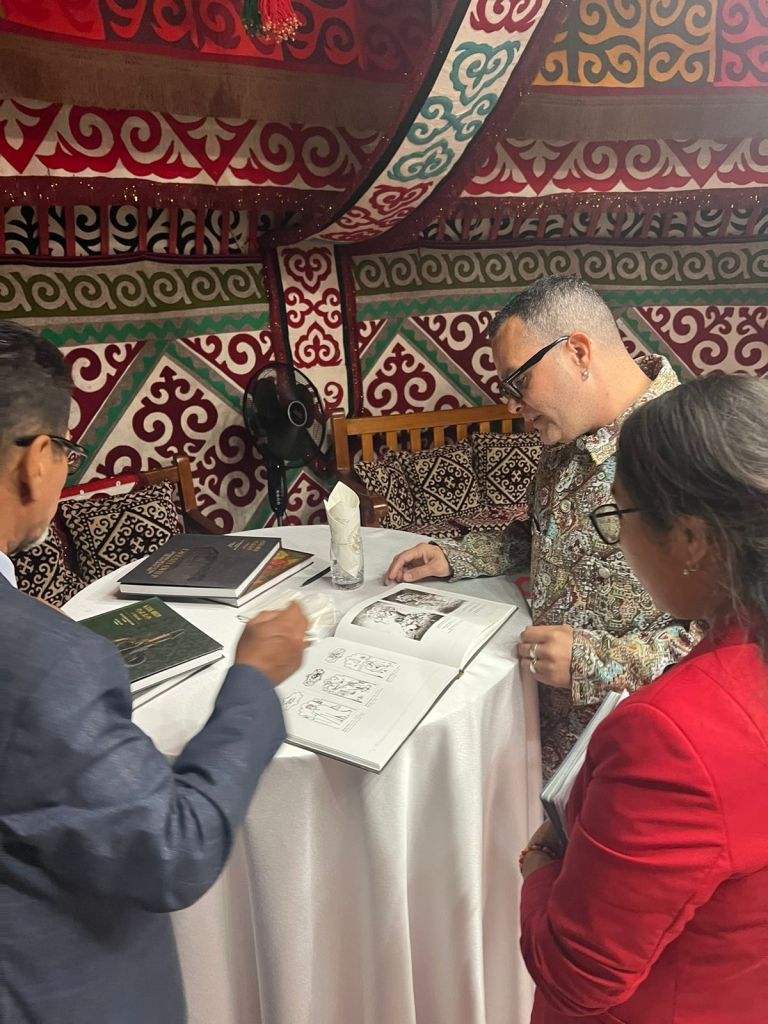
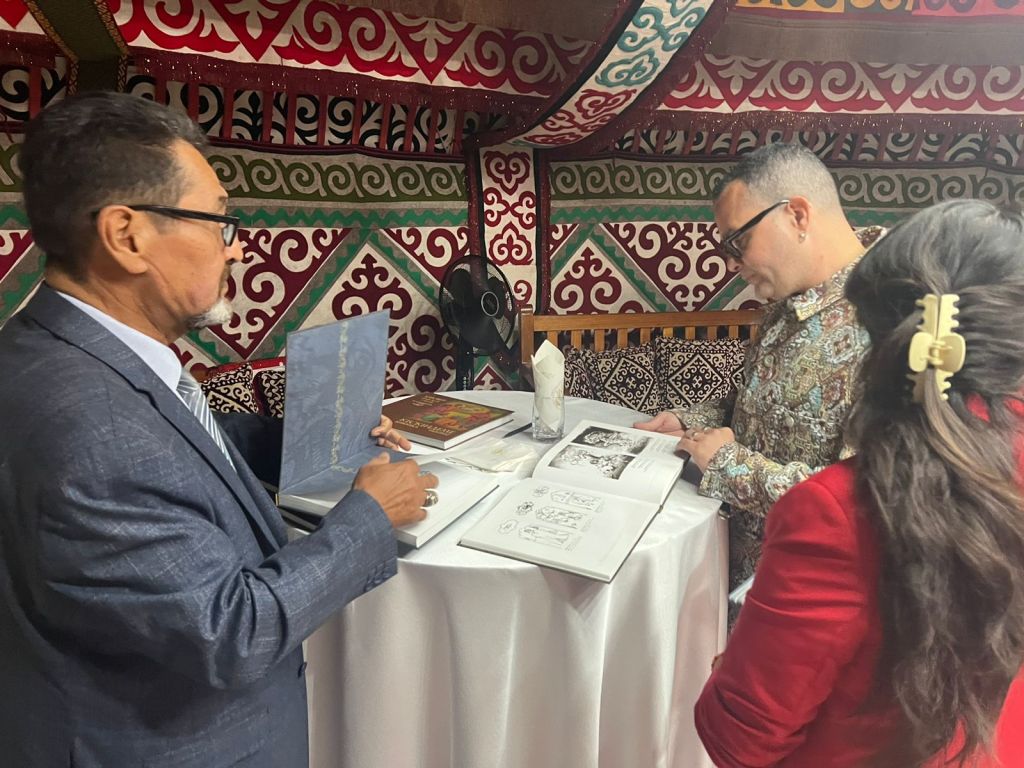
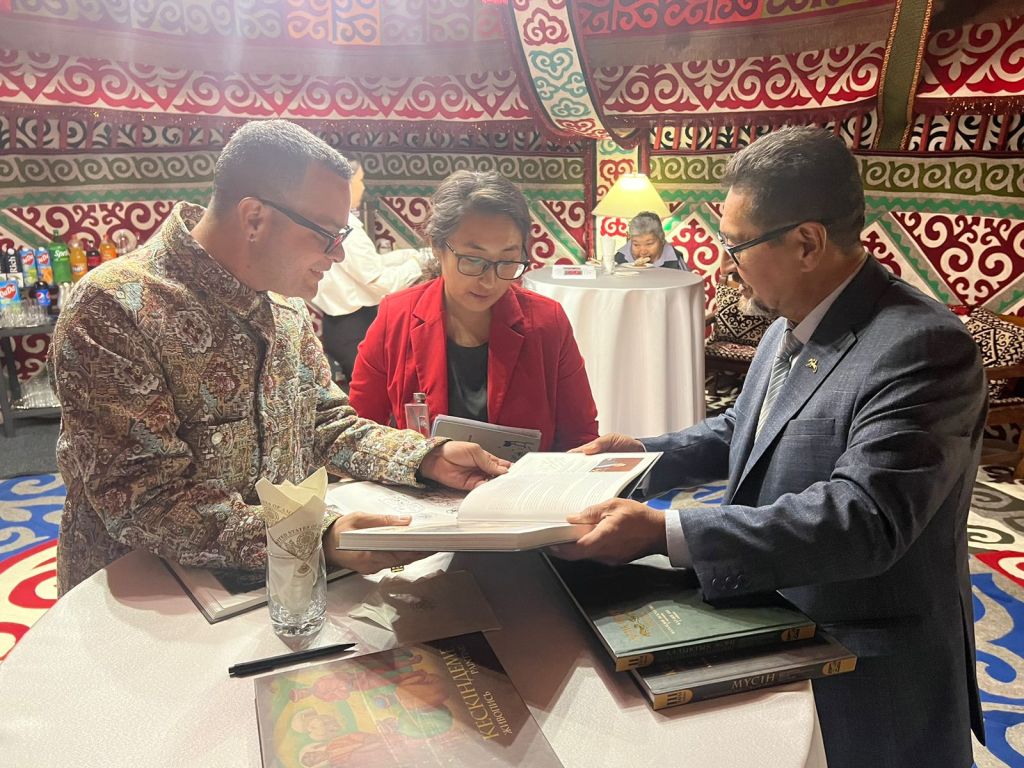
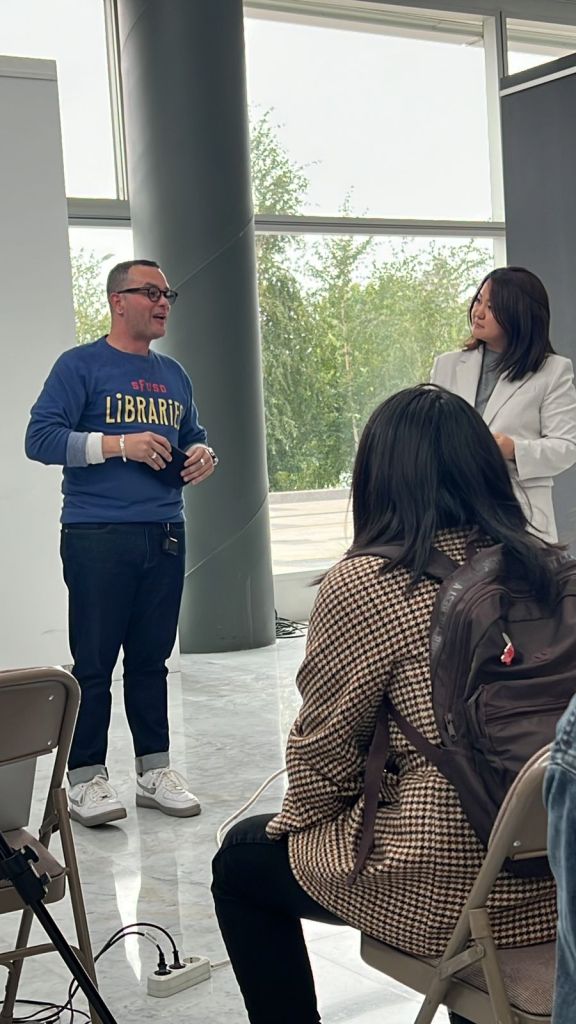
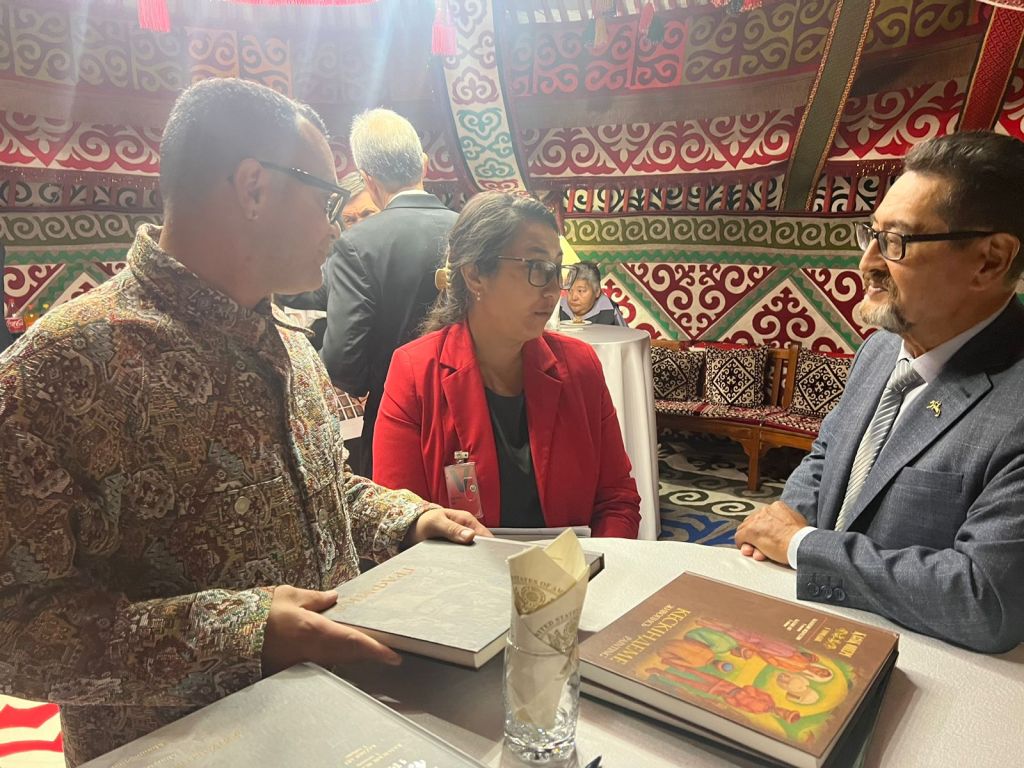
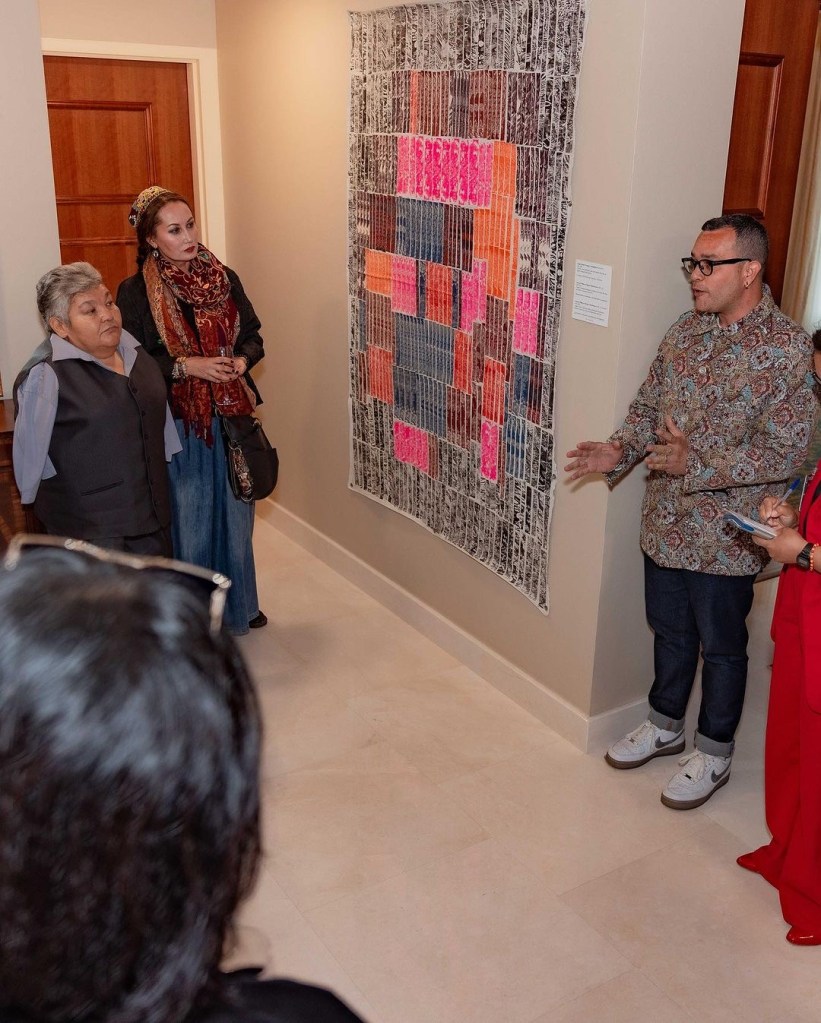
The impact of this documentary resonates deeply with my experiences in Kazakhstan, gained through participation in the Art in Embassies (AIE) Cultural Programming. As an artist involved in cultural exchanges, I have witnessed firsthand the transformative power of art in bridging cultural divides and fostering mutual understanding. The program’s emphasis on connecting people through visual arts parallels the documentary’s mission to expose and humanize the consequences of political actions.
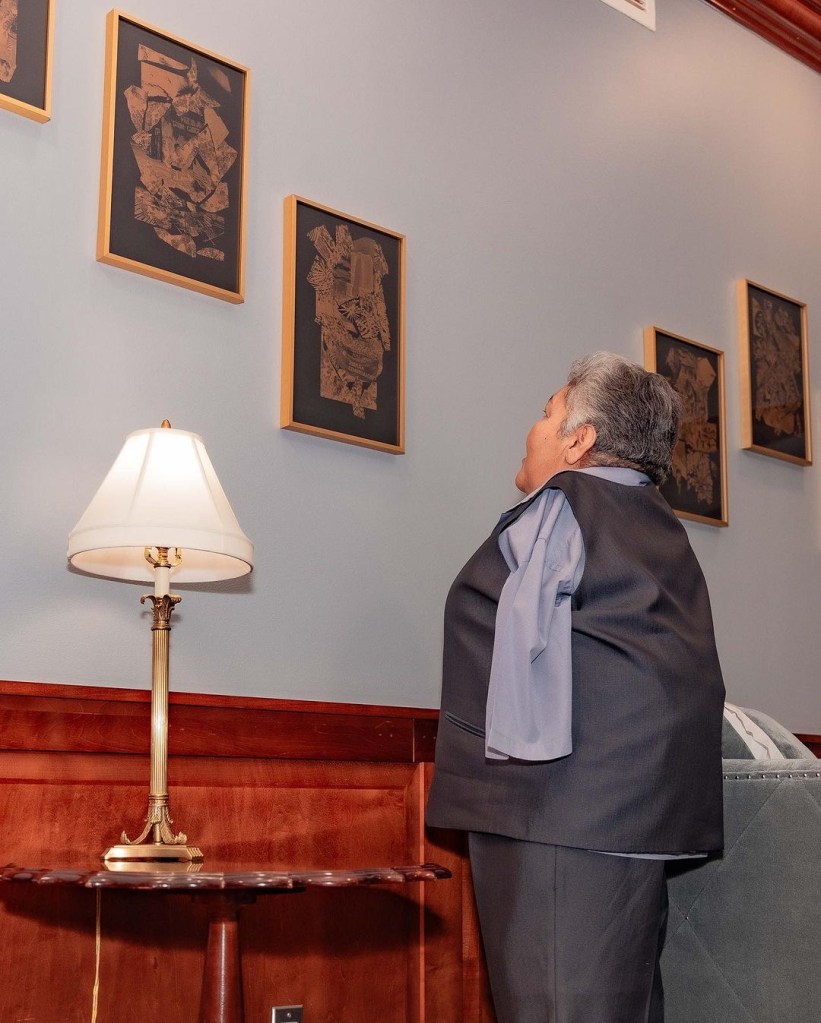
During my time in Kazakhstan, I encountered a vibrant art scene that reflected and reacted to the country’s complex history, much like the issues explored in “A Cruel Wind Blows.” Local artists often draw on themes of resilience and restoration, mirroring the regenerative spirit I observed in the communities affected by The Polygon’s legacy. This intersection of art and history enriches the dialogue around the documentary, highlighting how art can be a potent tool for healing and raising awareness.
The Art in Embassies program’s curator of the Astana embassy, Tori See, has been instrumental in curating diverse and thought-provoking exhibitions that stimulate discourse and cultural exchange. Her meticulous approach in selecting artworks incorporating indigenous techniques and contemporary perspectives has been pivotal in engaging local audiences and promoting cross-cultural understanding. Additionally, registrar Ashlee Forbes’s dedication to facilitating collaborations among international and local artists has fostered a dynamic environment for artistic expression, promoting the program’s goals of fostering cultural diplomacy.
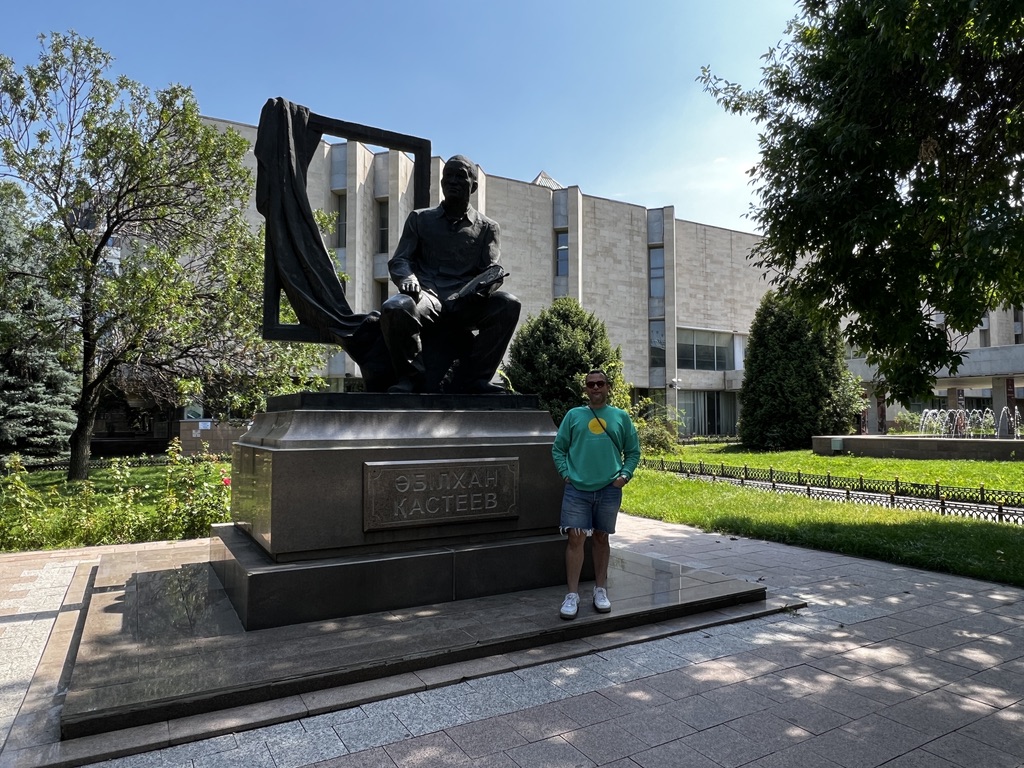
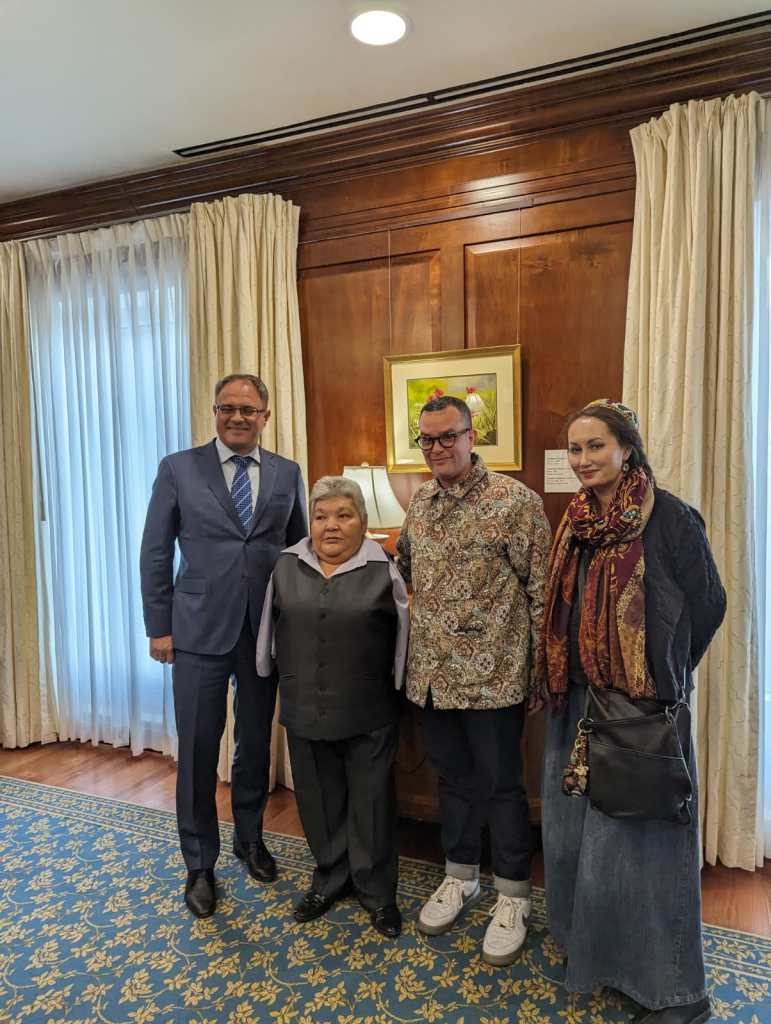
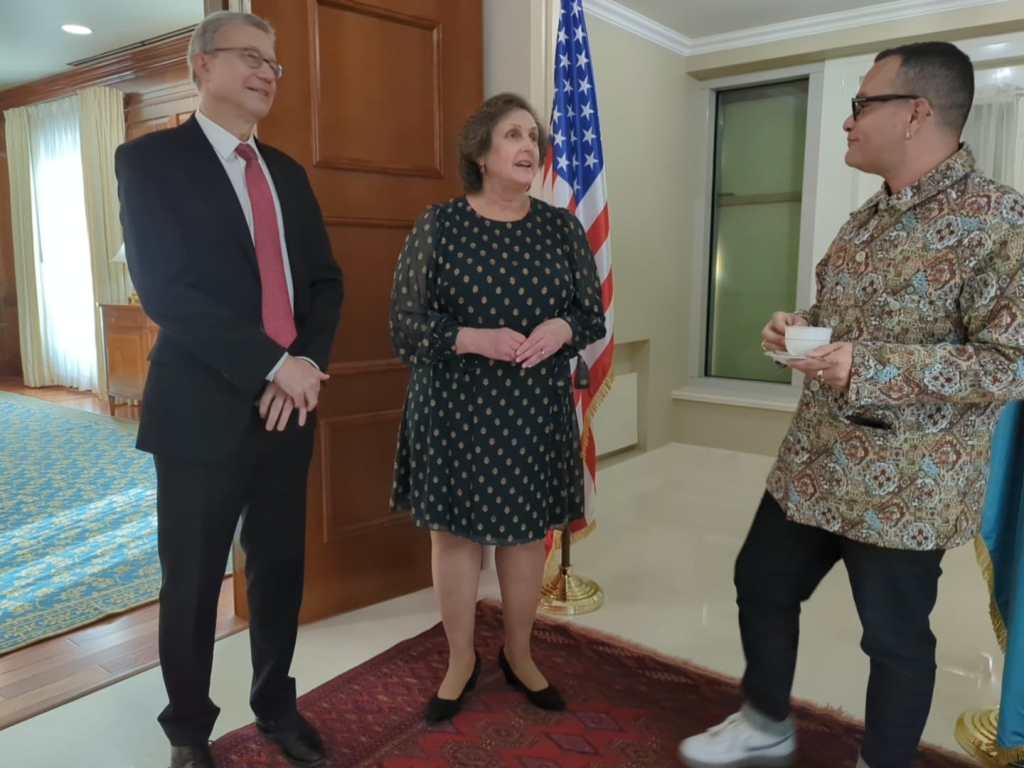
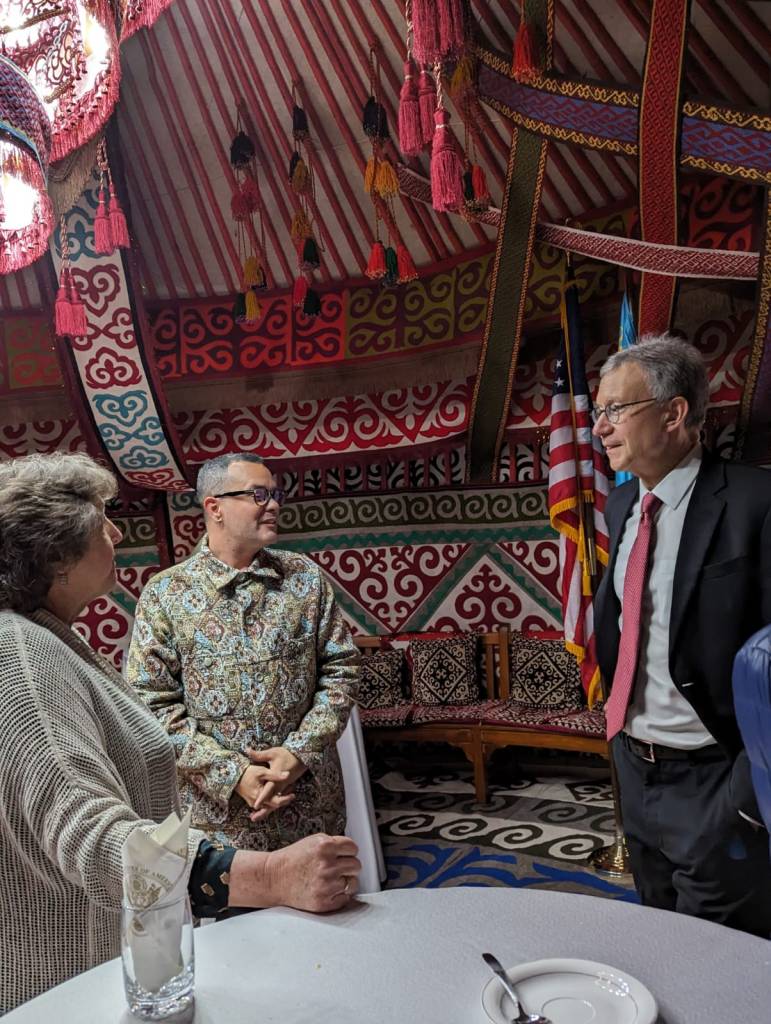
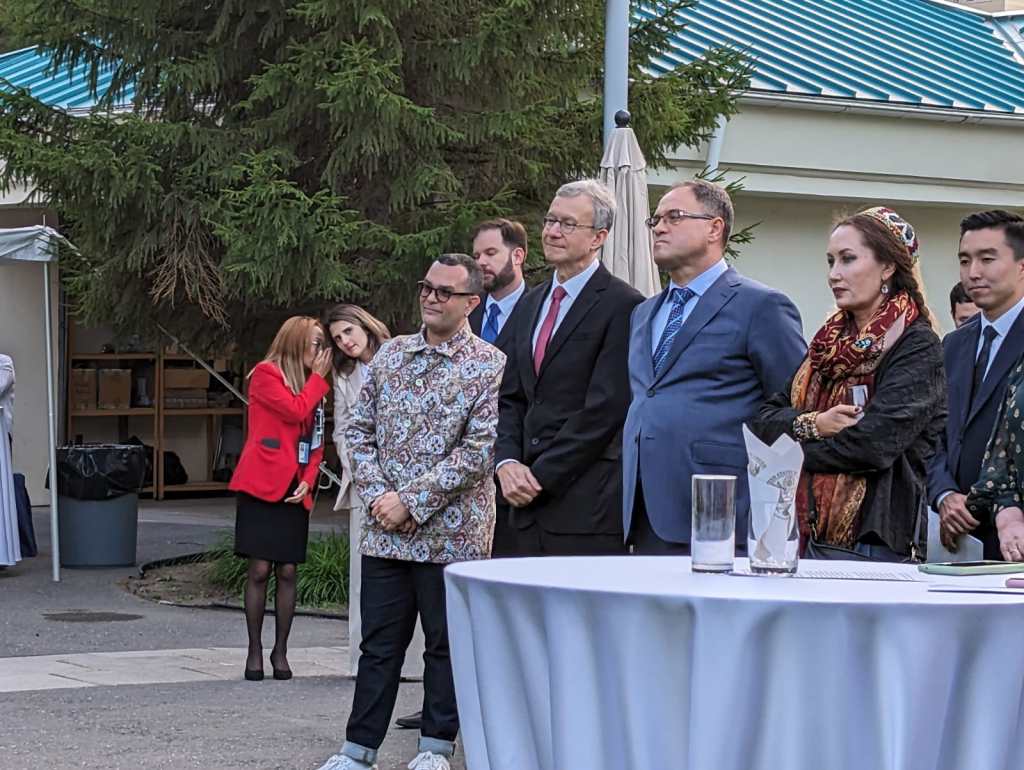
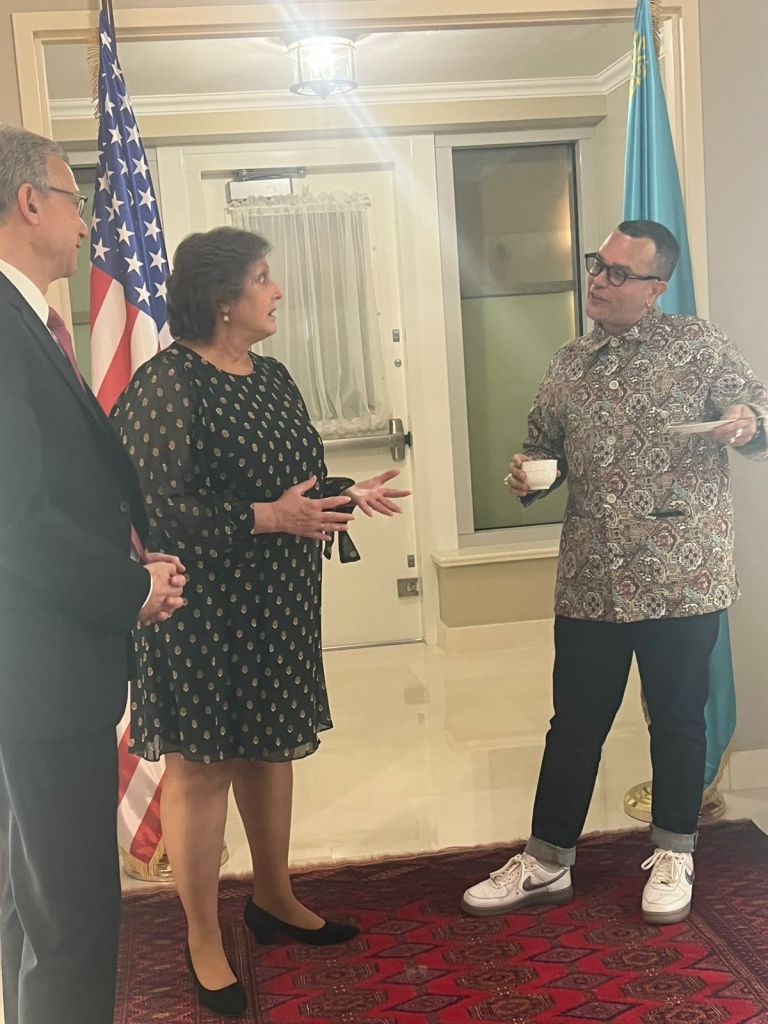
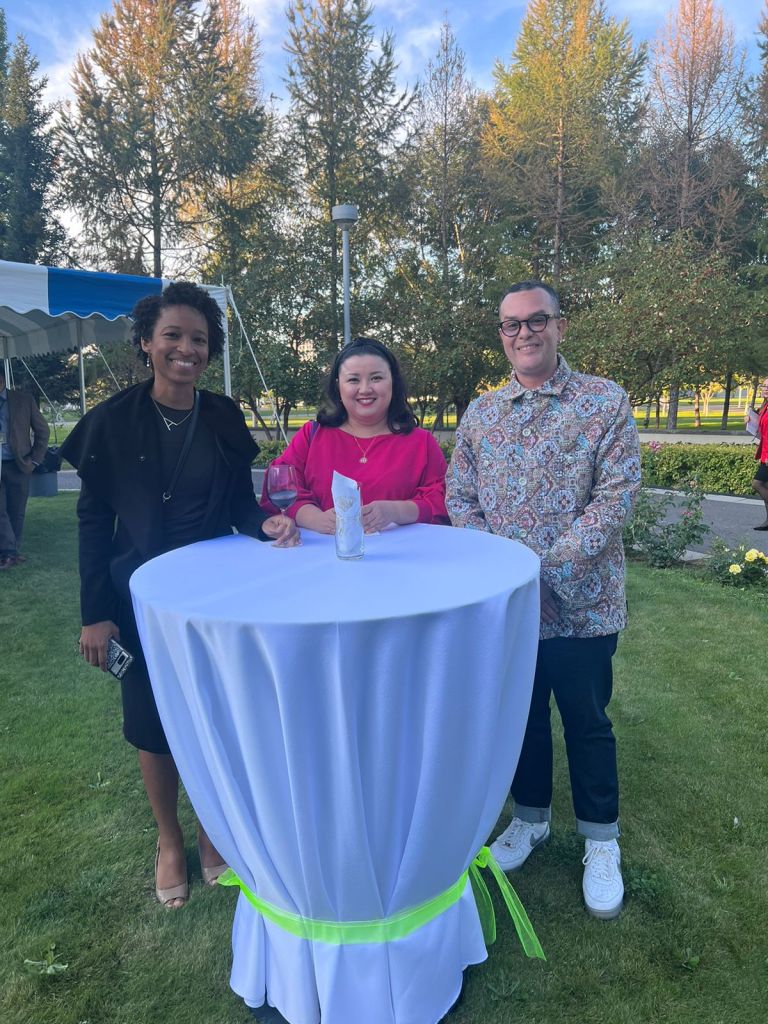
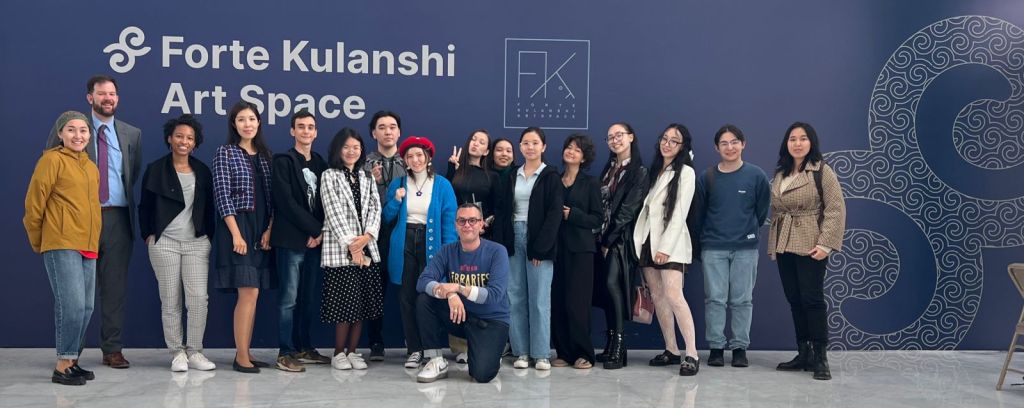
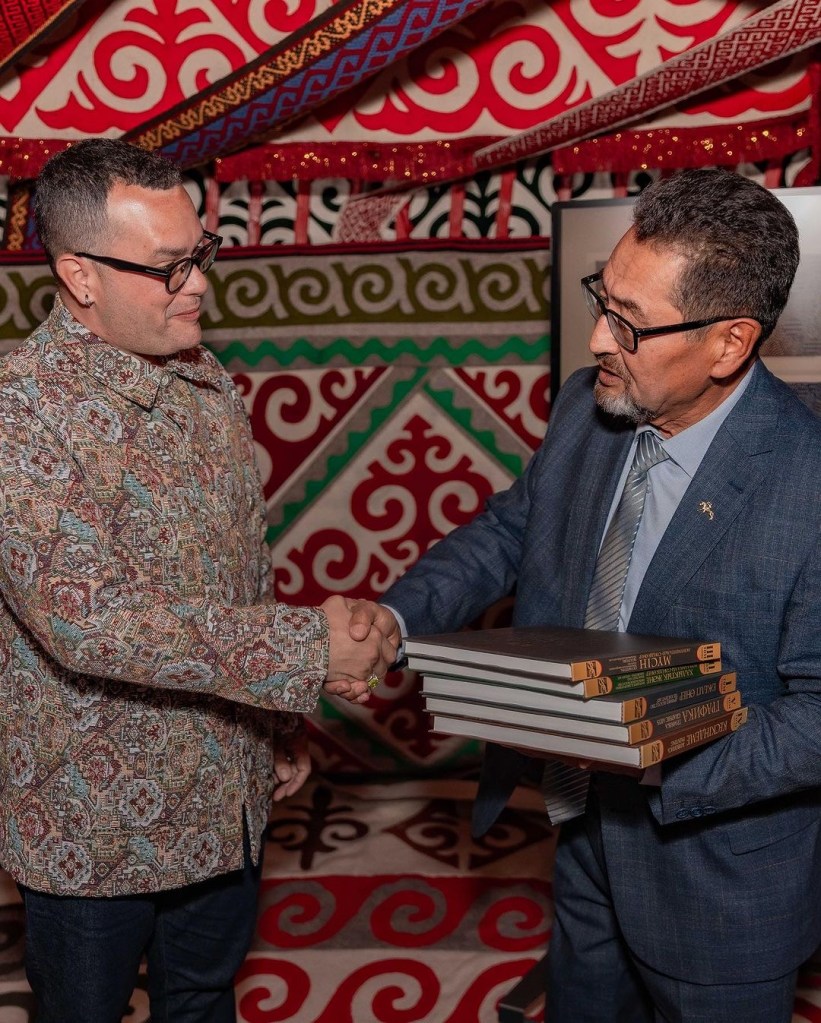
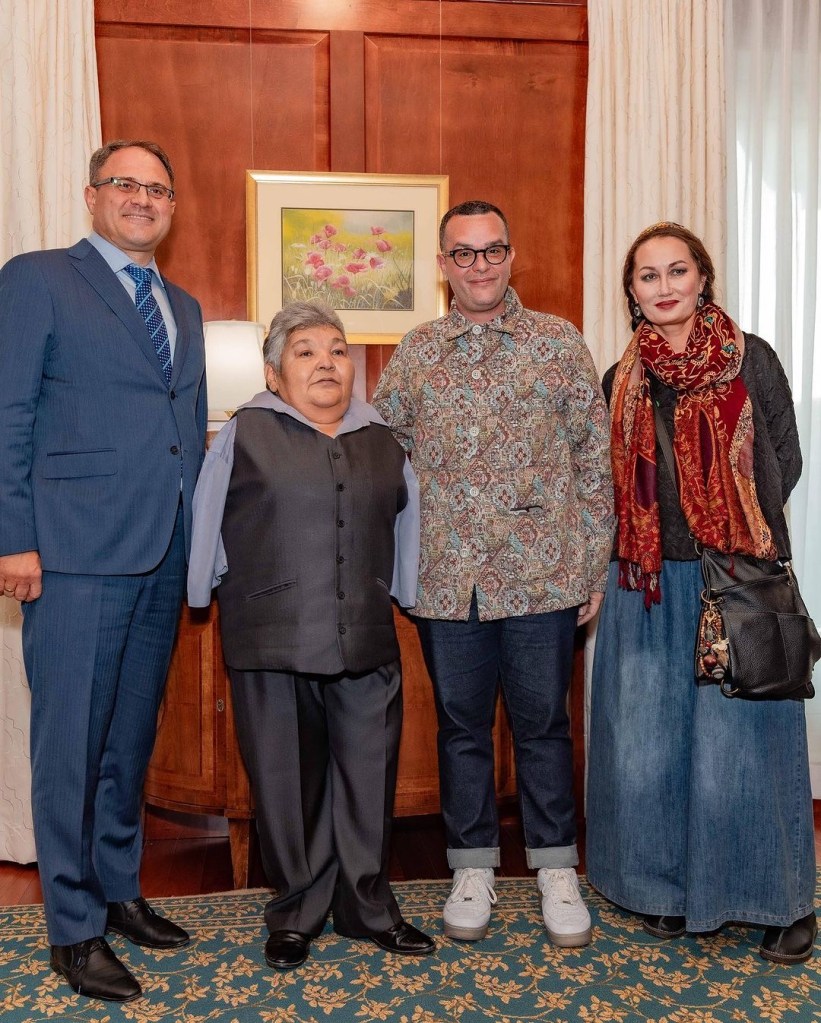
Meeting Ambassador Daniel Rosenblum and his wife, Sharon Waxman, John Orak, and the rest of the Kazakhstan mission staff provided invaluable insight into the role of art in diplomatic relations. Meeting artists Karipbek Kuyukov, Saule Suleimenova, and Kuanysh Bazargaliev, as well as curator Vlad Sludski was a series of groundbreaking moments —just like meeting so many other creative professionals and cultural workers active across Kazakhstan was an awakening. Their support of the AIE Cultural Programming has demonstrated a commitment to utilizing art to foster meaningful connections and promote dialogue between diverse communities. The ambassador’s recognition of the nuanced role of art in diplomacy has facilitated the creation of a platform for challenging conversations about historical legacies and the transformative power of art.